The Practical Side of Printed Workwear for California Teams
Running a crew in Southern California comes with its own set of challenges. Between the coastal fog rolling in during the morning and the inland heat kicking up by noon, your team needs gear that breathes, holds up, and still looks like a uniform by the end of a double shift. I have spent years watching what actually survives on a job site and what gets tossed in the trash after three washes. Printed workwear is not just about slapping a logo on a shirt anymore. It is about choosing the right fabric, the right print method, and the right cut so your people actually want to wear what you hand them.
Why Fabric Choice Matters More Than the Ink
Too many companies start with the design and work backward. They pick a cool graphic, then try to find a shirt that fits it. That is backwards. The best approach is to start with the environment your team works in. If you run a landscaping crew in Garden Grove, you need heavy cotton or cotton-poly blends that wick moisture and block UV. If you manage a warehouse team, you want a thicker jersey that can handle abrasion from boxes and equipment. The print is secondary to the garment. Once you have a solid base, the printed workwear will last through dozens of cycles without cracking or fading. But if you start with a cheap blank, even the best screen print will fail within a month.
Screen Printing vs. Embroidery: Knowing When to Use Each
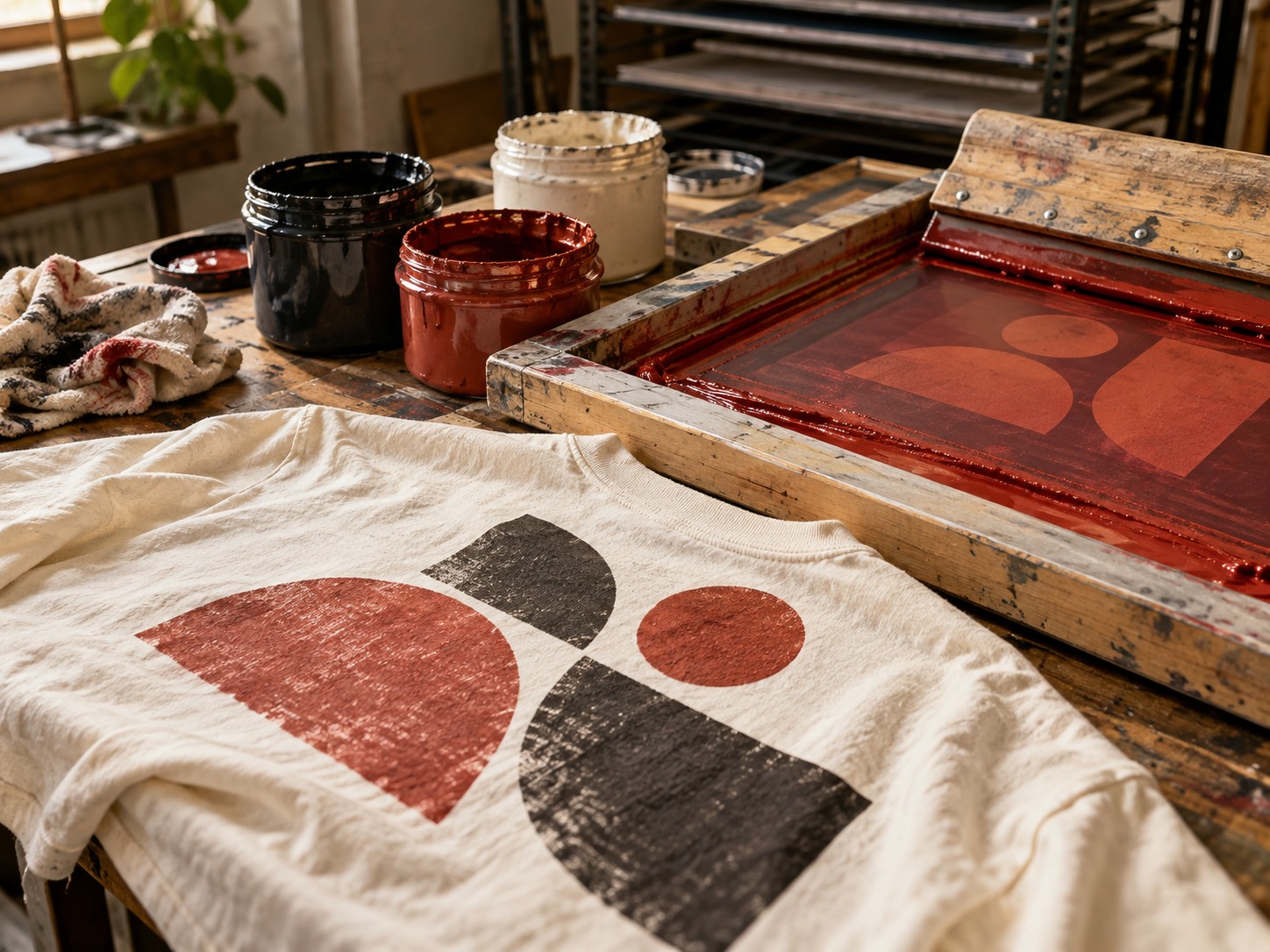
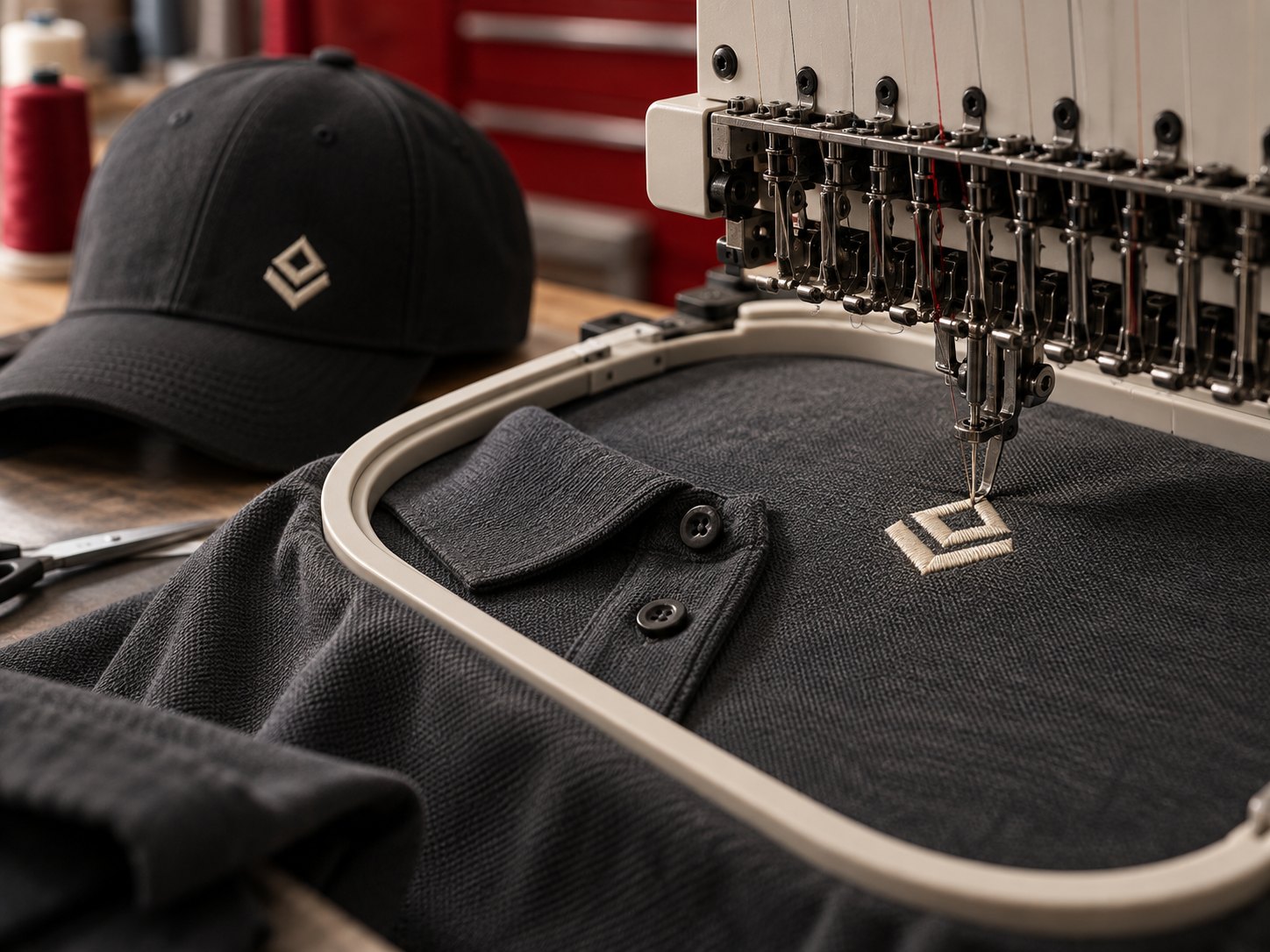
There is a persistent myth that embroidery is always the premium option. It is not. Embroidery looks sharp on hats and polo shirts, but it does not work well on lightweight fabrics or on designs that require fine detail. Screen printing, on the other hand, gives you vibrant colors and crisp lines that hold up on everything from cotton tees to performance blends. For a construction crew, screen printing is usually the better call because it does not add weight or stiffness to the garment. For an office-adjacent team that meets clients, a small embroidered logo on a collar can look more professional. The smartest move is to mix both across your uniform program. Use screen printing for high-visibility jobsite gear and embroidery for customer-facing apparel. That way each piece serves its purpose without forcing a compromise.
The Hidden Cost of Cheap Printed Workwear
I have seen businesses buy the lowest bid for uniforms year after year. They save twenty bucks per employee upfront, then spend twice that replacing faded, peeling, shrinking shirts before the season ends. Cheap printed workwear does not just look bad. It sends a message to your team that you do not value their presentation. It also wastes time. When your crew has to swap out uniforms mid-project because the logo cracked, that is lost productivity. The real cost is not the price per shirt. It is the cost per wear. A quality screen print on a midweight tri-blend shirt might cost more at the register, but it will still look good after fifty washes. That is where the value lives.
How to Pick a Print Method That Matches Your Volume
Not every job needs the same process. If you are ordering twelve shirts for a small team, direct-to-garment printing or heat transfer vinyl might be the most cost-effective route. But for orders of thirty or more, screen printing becomes the clear winner. The setup cost is higher, but the per-unit price drops fast. For large runs, screen printing also gives you better color saturation and durability. I have seen companies try to save money by using cheap digital prints on big orders, and the result is always the same. The ink sits on top of the fabric instead of bonding with it, and it starts flaking after a few washes. For teams that work outdoors in Southern California sun, that kind of failure happens even faster because the heat and sweat accelerate breakdown. Stick with screen printing for volume orders, and save the other methods for small batches or one-offs.
Designing for Durability: What Works and What Does Not
Some designs are doomed from the start. Thin lines, tiny text, and gradients with too many colors all cause problems in production. A good screen printer will tell you upfront if your design will hold up. Listen to them. If you want a logo that lasts, keep it bold and limit the color palette to three or four colors. That is not a limitation. It is a strategy for durability. I have seen a simple two-color logo outlast a six-color gradient by two to one. The same rule applies to placement. Front chest prints last longer than sleeve prints because they get less friction. Back prints are fine for jackets, but they can crack faster on t-shirts if the wearer leans against surfaces. Talk to your printer about where you plan to use the garment, and let them guide the placement.
Managing Uniform Programs Across Different Roles
If your business has multiple departments, you probably need more than one garment type. A single printed workwear program can cover everyone if you plan it right. Use the same logo and color palette across all pieces, but vary the garment style by role. Field techs might get short-sleeve performance polos. Warehouse staff might get heavier crewneck t-shirts. Office staff might get button-downs with a small embroidered logo. The key is to keep the branding consistent so the whole team looks unified, but let the garment match the job. That approach also saves money because you can order in bulk across categories instead of buying small quantities of many different styles.
Seasonal Considerations for Southern California Teams
Even in a mild climate, seasons matter. Summer in Garden Grove can hit the high 80s with humidity from the coast. Winter nights drop into the 40s. Your uniform program needs layers that work together. A good system starts with a moisture-wicking base layer, then adds a midweight zip-up jacket for cooler hours. Print the logo on both pieces so the branding stays visible no matter which layer the team member wears. Avoid heavy fleece or lined jackets unless your crew works in cold storage or early morning shifts. Most of the year, a lightweight hoodie or a performance quarter-zip is enough. The printed workwear that works best here is the kind that does not overheat the wearer during the afternoon sun.
What to Look for in a Local Printer
Finding the right partner matters as much as picking the right shirt. A local printer who understands your industry can save you from costly mistakes. They will know which fabrics hold up in your climate, which inks bond best with your chosen garments, and how to handle rush orders when a new hire starts next week. They should also offer a range of services so you can consolidate your orders. If you need screen printing for bulk tees, embroidery for hats, and direct-to-garment for small batches, a single vendor who does all three simplifies your logistics and often lowers your per-unit cost through combined shipping.
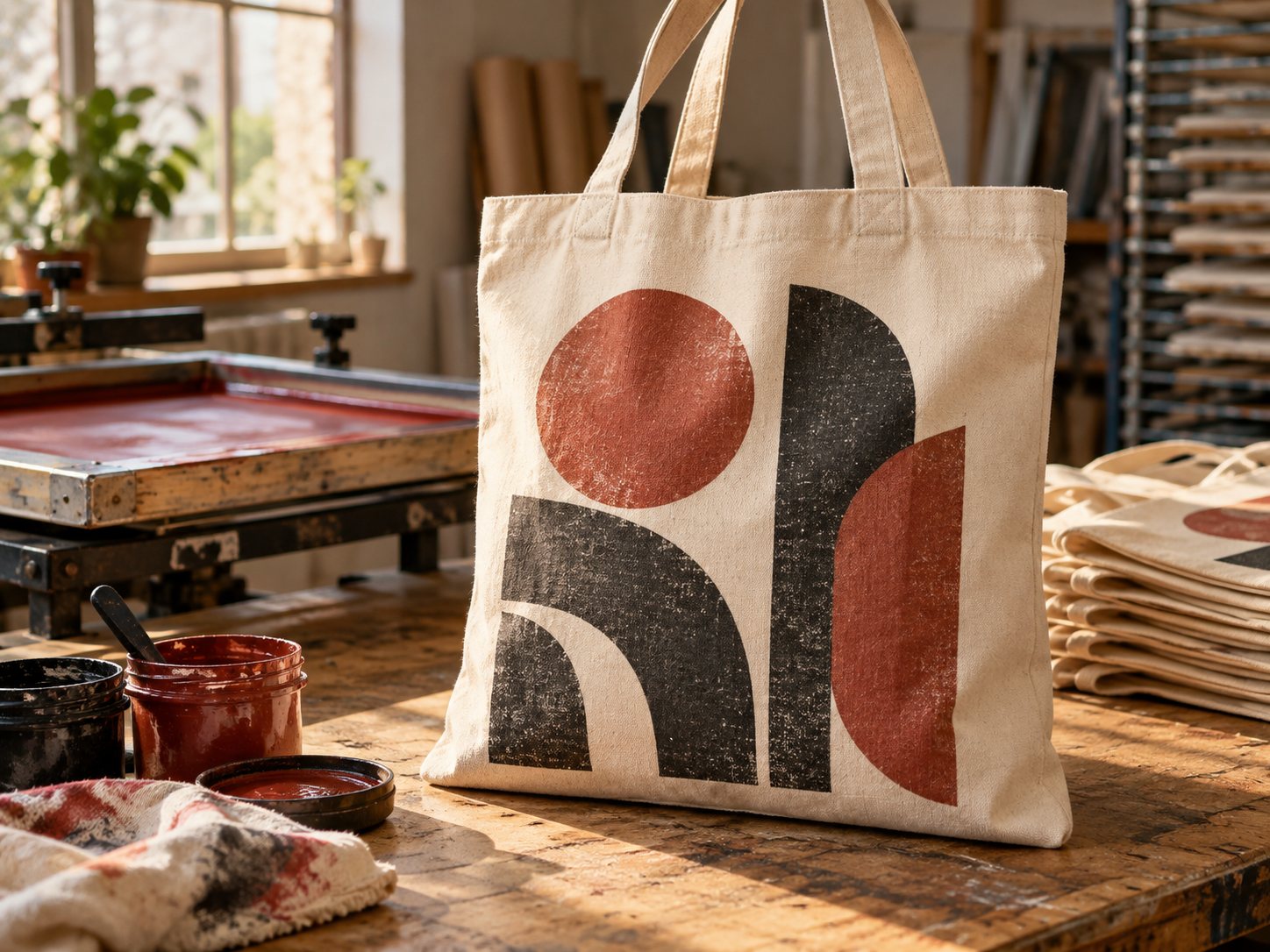
DSP Printing, located at 11611 Salinaz Dr Ste O in Garden Grove, CA 92843, offers custom screen printing and embroidered apparel services for businesses and organizations, and you can reach them at +1 714-951-4919 to discuss your uniform needs.
Connect with us on Instagram.